
REVIEW: Daniel Caesar - Son of Spergy
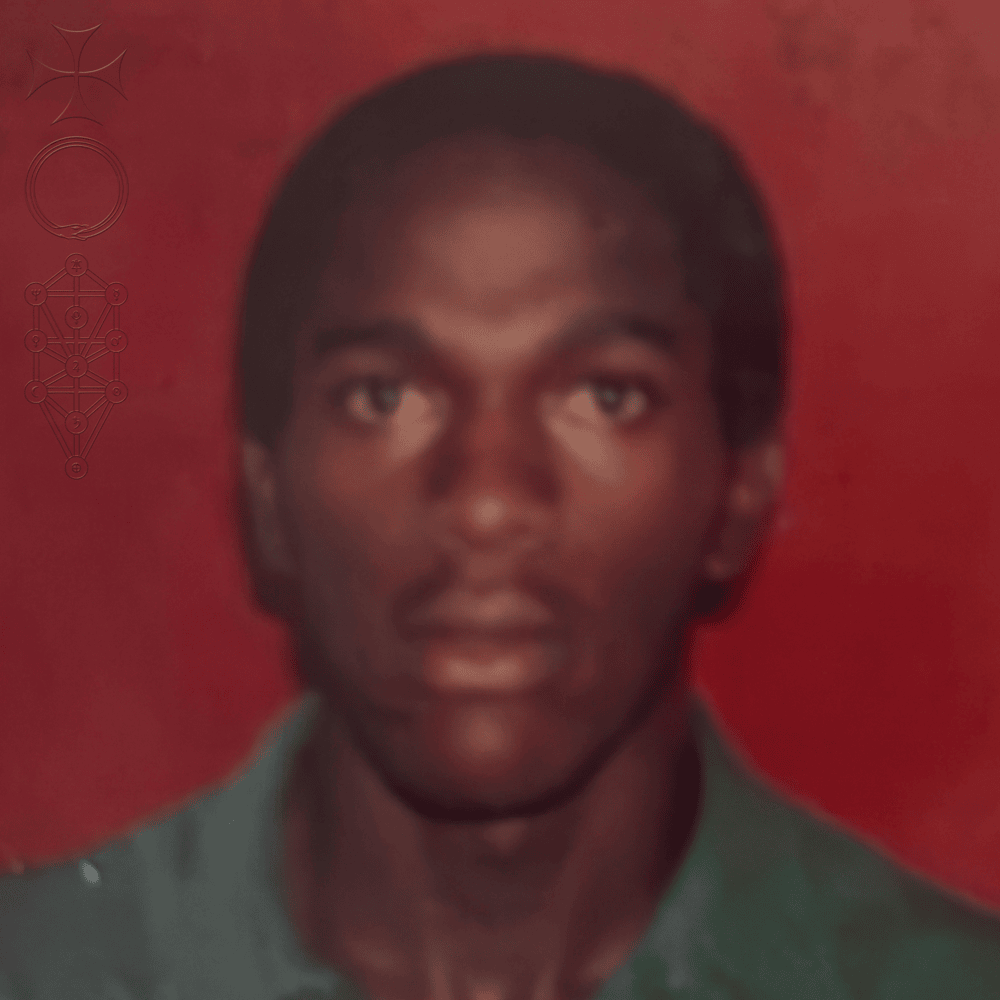
We inherit more than names or traits. We inherit questions, absences, the way someone we love leaves their echo in us. Legacy comes not only through what is done or said, but through the marks left behind — subtle, insistent, shaping who we become. On Son of Spergy, Daniel Caesar traces the contours of legacy in every corner: the inheritance of love, the inheritance of loss, the inheritance of a father, a lover, a self. To be a son is to wait, to witness, and sometimes to attempt to create something enduring from what we are given.
The album opens not with certainty but with a plea — “Lord, let your blessings rain down on me” inviting us into the spiritual inheritance that underpins everything that follows. From the first note, we are made aware that legacy is more than memory or action — it is a living current, present in longing, desire, and the quiet courage of waiting.
Love is deferred not because it is denied but because we believe we must earn it. In Who Knows, the ache of deferred love is rooted in self-imposed barriers. Daniel tells himself to wait until he is “better,” until he is somehow deserving of being seen, held, loved. “Lately, I’ve been thinking that perhaps I am a coward / Hiding in a disguise of an ever‑giving flower” captures the quiet tension of wanting love while doubting one’s worthiness. Love, however, has never demanded perfection. It asks for presence. “Maybe we get married one day, but who knows?” is less a question of possibility than a confession of fear — the fear of believing in the possibility of love.
Later, in Root of All Evil, he wonders, “Am I a man or a beast? / Somebody please discipline me / For I’m a sinner, a sinner,” laying bare the imperfect self we must learn to love and contend with. Here, we can hear the larger truth: nobody is ever truly ready. As Rumi wrote, “Your task is not to seek for love, but merely to seek and find all the barriers within yourself that you have built against it.” The work of love begins with recognition and dismantling of those barriers, freeing ourselves enough to surrender to vulnerability and tenderness. Everyone has relational issues, everyone carries wounds — the only real question is with whom we are willing to do this work, whose hand we take as we navigate the paradoxes of intimacy. Relationships — with others and with ourselves — are less problems to solve than paradoxes to manage.
Call On Me whispers in a similar register, exploring desire entangled with hesitation and the inherited fear of emotional exposure. In Have A Baby (With Me), the tension between fear, love, and the need to leave a trace reaches its apex. “We could leave something here / It’s too late for our dreams / We can make a new dream” captures the desperation and delicate irony in trying to cement love through legacy, to create a physical testament to connection even as it slips away. Romantic legacy, here, is inseparable from self-inheritance — the work of confronting barriers, of holding presence in imperfection, and leaving behind something enduring. Sign of the Times hints at this intertwining of love and faith: “bringing forth life / like Madonna and her child,” a vision of hope, longing, and creation, even in uncertainty.
Love transforms not only by staying but by leaving. Emily’s Song is a meditation on love that alters us profoundly, leaving behind a trace that is inheritance itself. “I'll nevеr regret you, it's heavеn that sent you” and “I just want to thank you for being my mirror, showing me myself” show us that a person can become a mirror, reflecting the version of ourselves that was waiting to be seen and ultimately, healed – because you can’t heal what you don’t reveal. Emily’s presence leaves Daniel with evidence that real love exists, that it is possible once fear and avoidance are faced, that transformation is part of what we inherit from those we allow into our lives.
Moon begins as a desperate howl and ends in quiet, smouldering flames. The song’s surface is serene — strumming guitars, luminous keys — but underneath lies the violent reality of waiting for someone, or something, that may never arrive. “Hit dogs will holler, I’ll howl at the moon / I’m not who I wanna be at the moment / Maybe soon” speaks to that internal cry — the backward glance at what we once thought we wanted, the longing for identity or belonging that doesn’t yet feel earned. “Fighters keep fighting, I’ll fight ’til I’m blue” embodies endurance, the echo of inherited persistence. In the silence that follows, we recognize that the light must be created from within, the echo of legacy present in the very act of continuing. Baby Blue crystallizes the tenderness of chosen love: “So many colours to choose from but you chose blue, I choose you” — a soft testament to love that perseveres beyond fear, a legacy inherited through mutual recognition and presence.
The legacies we inherit from family shape us in ways that are both subtle and profound. Sins of the Father turns inward, examining familial legacy — what we inherit from our parents, good and bad, and the ways it shapes emotional availability and expectation. “Dad was forgetful, he promised a lot / Thankfully, he never got caught / Passed it to me now, I finally can see / Forgetting's a gift, thank you, God” captures the weight of generational patterns.
“I've got all this pain in my heart / But I got no place to put it / Tried to leave it behind, but I couldn't/ I need alchemical transmutation/ I've got all this pain in my heart / But I got no place to put it / Tried to leave it behind, but I couldn't / I need alchemical transmutation” Masculinity is portrayed not as dominance but as restraint, tenderness, and the courage to feel. In Who Knows, the interplay between inherited caution and the vulnerability required for intimacy reveals the subtle ways familial and personal legacies converge, influencing how we approach love, selfhood, and parenthood alike.
Faith, like family, is a lineage unto itself. In Touching God and Call On Me, Daniel circulates questions and desires in sparse, almost prayer-like cadences. “I’ve seen you lose your ground to lowly skies / Fell too fast, can't get the chance to cry / Who will you ever be without their eyes? / What good's your voice if no one really minds?” evokes the tension between certainty and doubt, between inherited belief and personal exploration. “I know there's a God that's withholding his help / I know You made me, but I hate myself” Spiritual legacy is both gift and burden — shaping identity, perspective, and desire, yet never fully reconciled.
By the end of Son of Spergy, the through-line of inheritance is clear. Romantic, familial, spiritual, and personal legacies ripple through every note. Daniel traces them carefully: the lover who alters, the father whose patterns linger, the self that witnesses and inherits all of it. Fear, longing, hope, and the urge to leave something behind persist in the quiet, in the hesitations, in the silences and howls. The unnamed fear — of impermanence, of being unseen, unloved, forgotten — becomes visible not because it is spelled out, but because it is lived. In these songs, legacy manifests as endurance, as the courage to keep showing up, to keep feeling, and to leave traces that outlast us.
We are all works in progress, inheritors of love and pain alike. No one is ever fully ready, yet we move forward anyway, navigating paradoxes, dismantling barriers, and attempting tenderness. In this act, we participate in the very legacy we hope to leave behind.
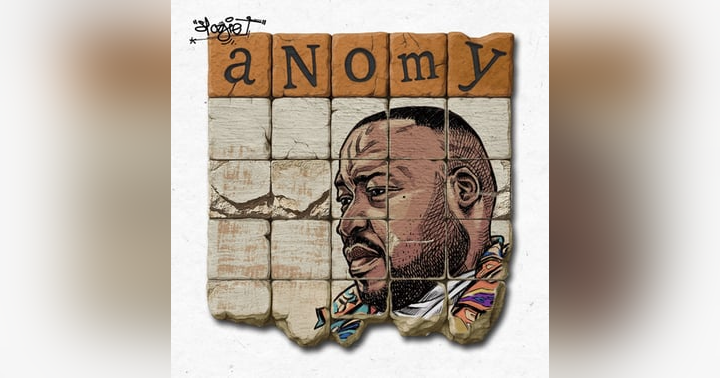
REVIEW: Stogie T - ANOMY