REVIEW: Wale - everything is a lot.
There is a particular kind of exhaustion that comes with growing older. Not necessarily the exhaustion of having too much to do, although there is plenty of that, but the exhaustion of having lived long enough to understand that life rarely gives you the opportunity to deal with one thing at a time.
You lose people, and somehow the world expects you to keep moving. You fall in love, discover that love does not always make you better at loving, and have to figure out what to do with that knowledge. You work towards something for years, finally get there, and discover that arriving does not necessarily mean you feel any different. The bills still need paying. People still need you. There are still expectations to meet, decisions to make, and versions of yourself you are expected to maintain. And somewhere in the middle of all this, you are supposed to be enjoying your life.
It is a difficult contradiction to reconcile. We spend so much of our lives trying to make something of ourselves, rarely stopping to consider what it costs to be ourselves along the way.
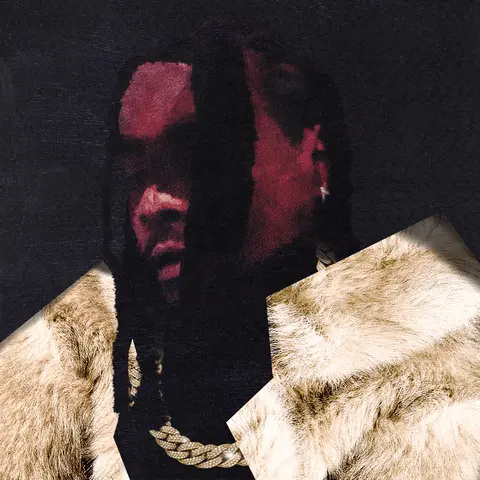
That tension sits at the heart of Wale’s eighth studio album, everything is a lot. Across eighteen tracks, he moves between grief, romantic relationships, ambition, loneliness, self-perception and the complicated business of trying to remain a person while navigating the demands of being one. It is an album concerned with the things we carry, the things we use to cope, and the ways those very things can sometimes become another weight to bear.
What makes the project interesting is that Wale does not approach these subjects as someone who has figured them out. He sounds like someone still in the middle of them. There are moments of self-awareness, moments of contradiction, occasional humour and plenty of defensiveness. But beneath it all is the feeling of a man trying to understand how he got here, and what it means to keep going.
The business of surviving
The album opens with “Conundrum”, a song about emotional distance, intimacy and the difficulty of understanding what we actually want from another person. Wale reflects on relationships in which physical closeness has not necessarily translated into emotional connection. He questions whether he has been in love or simply attached to the feeling of being wanted. His admission that he can be physically intimate while remaining emotionally unavailable is particularly revealing: “Her clothes off, I'm closed off.” In just a few words, he captures the distance between allowing someone access to your body and allowing them access to you.
There is something particularly uncomfortable about the song's suggestion that an otherwise empty relationship can be prolonged through sex and material provision. Two people can maintain the arrangements of companionship without necessarily experiencing the intimacy that is supposed to give those arrangements meaning. And the question becomes a difficult one: did the relationship become empty because material things replaced emotional connection, or did material things become a substitute because the connection had already begun to disappear?
Perhaps both can be true. Sometimes we are not necessarily holding on to a relationship because it is fulfilling. We are holding on because the alternative feels more frightening. The fear of being alone can make familiarity feel like love, and the appearance of connection can become a reasonable substitute for the real thing.
But the album's understanding of survival extends well beyond romantic relationships.
On “Michael Fredo”, Wale reflects on the losses that have accompanied his journey, the people who were present before success and the loneliness that has followed it. “All my sunny days died with my bros” is particularly affecting because it suggests that losing someone can mean losing more than their physical presence. Sometimes you lose the version of yourself that existed when they were around. The memories remain, but the person you shared them with is no longer here to confirm them.
There is a difference between remembering someone and having to learn how to live in a world where they are no longer part of your everyday existence. The latter is a much longer process.
“Survive”, which arrives towards the end of the album, brings this emotional thread into sharper focus. Wale speaks directly about survivor's remorse, the death of friends, burying his brother and continuing to function despite never having fully healed. The question, “When will the good times outweigh the goodbyes?”, is one of the album's most revealing moments.
It is a question about arithmetic that cannot really be done. How do you measure the joy of being alive against the number of people who did not get to experience it with you? How do you celebrate an achievement when there are people you wish could have witnessed it? And what does survival mean when it sometimes feels less like a victory and more like an obligation to those who are no longer here?
There is no suggestion that Wale has found a satisfactory answer. In fact, the song makes a point of distinguishing survival from healing. He admits, “I never did heal.” He is still travelling, working, making music and carrying on, but the emotional cost of doing so remains present.
Perhaps that is one of the album's most important observations: functioning is not the same as being okay.
When everything you wanted becomes something you have to carry
“Belly” explores another contradiction. What happens when you finally acquire the things you once believed would make life easier, only to discover that the weight of living has simply changed shape?
The song moves between the rewards of success and the responsibilities, scrutiny and losses that accompany it. Wale reflects on the distance between his earlier circumstances and his present reality, but the financial and material transformation has not necessarily produced emotional relief. Friends are incarcerated, others have died, relationships have become complicated, and success has brought its own form of isolation.
His admission, “I lost it all, when I got it all”, captures the peculiar cost of arriving somewhere you once desperately wanted to be.
The song's use of Soul II Soul's “Back to Life (However Do You Want Me)” makes this tension even more interesting. The familiar refrain, “Back to life, back to reality”, is infectious, almost celebratory. But against Wale's verses, it begins to sound like an interruption. The music calls him back to reality, while the reality he describes is precisely what makes the return so difficult.
It is a clever contrast. The sound invites you to move, while the lyrics give you reasons to stop and think.
There is another particularly revealing moment when Wale asks how he can express the depression and pressure that exist inside the very thing that got him rich. It is an uncomfortable position for an artist to occupy. The thing that provides him with a platform to speak is also the thing that has made it difficult to communicate what he is experiencing.
This is not to suggest that success is inherently miserable or that Wale is ungrateful for what he has achieved. Rather, the song recognises that achievement does not exempt us from the ordinary difficulties of being human. Sometimes the thing that changes your circumstances cannot change what you carry internally.
And that is a difficult lesson to learn when so much of your life has been organised around getting somewhere.
The things we use to protect ourselves
If grief reveals how fragile life can be, our relationships reveal how complicated we can make it for ourselves. Throughout the album, Wale seems to be negotiating the distance between wanting intimacy and knowing how to sustain it. He wants to be understood, but struggles to be vulnerable. He wants companionship, but values solitude. He wants to be loved, but is not always certain he knows how to receive that love without becoming defensive.
On “Power and Problems”, he repeats the idea that never needing anyone is both his power and his problem. It is a remarkably concise description of how a survival mechanism can become a limitation.
Independence can be protective. When people have disappointed you, when relationships have become unpredictable, when the world has repeatedly demonstrated how quickly things can fall apart, learning to rely on yourself can feel like the most sensible option. But the same instinct that protects you from disappointment can also prevent you from experiencing connection.
Wale even describes solitude as his love language. It is a revealing admission, particularly when placed alongside the album's repeated expressions of loneliness. There is a difference between choosing to be alone because you find peace in your own company and retreating into solitude because closeness has become difficult to navigate. The two can look remarkably similar from the outside.
“Where To Start” offers a different perspective. Built around a sample of SWV's “I'm So Into You”, the song carries the warmth and excitement of a romantic beginning. The sample brings with it the familiar language of infatuation, but Wale's verses are less certain. He wants to lower his guard, is grateful for the patience of the woman in his life, and recognises the ways his anxiety and work can make emotional availability difficult.
He describes himself as “exercisin' my vulnerability”, but admits that the process is not without its complications. He is trying to open himself up while simultaneously feeling depleted by the emotional demands of doing so. There is an especially tender contradiction in his admission that he wants someone near when he is busy, while also struggling to make himself available.
Then comes one of my favourite lines on the album: “I feel like Whiplash meets Love Jones.”
It is one of the album's most revealing references. Love Jones represents a particular romantic ideal: emotional and intellectual intimacy, vulnerability, artistic expression and the pleasure of being deeply understood by another person. Whiplash, on the other hand, offers a portrait of obsession, ambition and the destructive possibilities of pursuing something with an almost unreasonable intensity.
Placed together, the films suggest a collision between the romantic idealist and the obsessive artist. Wale seems to understand the beauty of love, perhaps even to desire it deeply, while recognising that the intensity with which he experiences things does not always make him better at practising them. Loving someone intensely and loving someone well are not necessarily the same thing.
That desire for intimacy, and the impatience that can accompany it, becomes even more apparent on “Tomorrow Today”. There is something charmingly disarming about a song built around the simple request to make tomorrow arrive a little sooner.
Beneath the playful delivery, however, is a more revealing understanding of what it takes to build a relationship. “Money isn't effort, effort isn't time” is one of the song's sharpest observations. Material provision and genuine emotional investment are not interchangeable. You can give someone things, make grand gestures and demonstrate affection, but none of those things necessarily replace the time required to build something meaningful.
There is also a tension between the desire to move closer and the fear of appearing too invested. Wale is excited by the possibility of love, but his pride and uncertainty seem to keep pace with that excitement. The song captures something many of us recognise: wanting reassurance while trying not to reveal just how much reassurance we need.
“Like I” takes this conversation further by allowing romantic commitment and professional disillusionment to exist in the same space. Andra Day's refrain establishes a desire to be loved in a way that feels distinctive and irreplaceable. Wale, meanwhile, speaks about a partner who sees him in ways he struggles to see himself, someone who understands his flaws and remains present through difficult periods.
But then his relationship with the music industry enters the picture. He reflects on the uncertainty surrounding his career and wonders whether the frustrations of that world might eventually affect the relationship he is trying to protect. The line about not allowing what is happening to him professionally to happen to them personally is particularly revealing.
The two relationships are not necessarily identical, but the emotional anxieties seem to overlap. Past disappointments can change the way we approach new possibilities. Sometimes we become so accustomed to expecting things to fall apart that we begin preparing for their collapse before they have had a chance to become something.
Is that realism, or is it self-protection disguised as realism?
The song does not provide a definitive answer. Instead, it captures the difficulty of allowing something good to exist without making it responsible for the disappointments that came before it. There is a desire to believe in the relationship, but also a fear that the outside world, with all its pressures and frustrations, might eventually find its way inside.
“Fly Away” takes this tension somewhere more uncomfortable. Borrowing from Maxwell's “Pretty Wings”, Wale explores the possibility that leaving someone alone can sometimes be the most loving thing left to do. He acknowledges emotional unavailability, ego, the confusion of chemistry with trauma bonding, and the possibility that he led someone on. His admission that he was “touching you right, treating you wrong” is a particularly sharp expression of that contradiction. Physical affection, after all, is not necessarily evidence of emotional care.
What makes the song work is that it does not present departure as a simple victory. There is accountability, but also regret. There is an attempt to release someone, but the admission that he still misses them remains.
The lyric “The honeymoon stage, a horror play” is especially striking. It takes the language of romantic beginnings and turns it into something unsettling, suggesting that the excitement of a new connection can sometimes conceal the difficulties waiting beneath it.
Even the song's relationship with the music industry seems to enter the conversation when Wale reflects on having given the industry everything and receiving very little in return. The parallel is not necessarily that the two relationships are identical, but that both involve the disappointment of investing yourself in something that cannot promise to love you back.
The song's use of Maxwell's “Pretty Wings” adds another layer. Maxwell's original is built around the painful recognition that love can sometimes require release. Wale inherits that emotional vocabulary, but makes the situation more complicated by acknowledging his own role in the damage. The question is no longer simply whether someone should stay or leave. It is whether we can recognise when our presence is no longer good for someone, even when we are not ready to lose them.
Sometimes letting go is not a failure to love someone. It may be the first honest act of love left.
But recognising a pattern and knowing how to break it are two very different things. “Corner Bottles” brings that distinction into focus through the familiar aftermath of heartbreak: sleepless nights, alcohol, emotional avoidance and the uneasy realisation that you have been here before.
There is a dark humour in Wale's admission that he wishes he could grow up, followed by the suggestion that he does not miss someone when he is sober. The joke lands because it is also an admission. He knows the behaviour is not particularly constructive. He knows the heartbreak is familiar. And yet he finds himself reaching for the same ways of managing it.
The song is less interested in the romance of heartbreak than in the habits that follow it. The drinking, the distractions, the attempts to make yourself available to other people while remaining emotionally occupied by someone who is no longer there. There is an uncomfortable familiarity to the cycle.
One of the song's most interesting questions is whether he wants “seclusion or being available”. It brings us back to the tension running through the album: solitude can be a refuge, but it can also become a way of avoiding the vulnerability required to build something new.
And perhaps that is the point. We can recognise our own patterns without immediately knowing how to change them. We can understand why something is unhealthy and still find ourselves returning to it because it is familiar, because it offers temporary relief, or because the alternative requires a kind of emotional courage we have not yet developed.
The loneliness of becoming
Perhaps the most interesting thing about everything is a lot. is how frequently Wale returns to the question of identity.
On “Mirroronnabenz”, he turns the familiar fairytale image of the mirror into a conversation with himself. The mirror becomes an audience, a critic and, eventually, a companion. He asks whether he is good enough, Black enough and rich enough. These are not simply questions about status. They speak to the exhausting experience of having your identity constantly measured, interpreted and evaluated by other people.
There is a particularly revealing moment when he reflects on the years since “Flower Bomb”, the peers who have stopped calling and the people who have misunderstood him. The success is real, but so is the distance between the person the public sees and the person doing the looking.
It is possible to be recognised by thousands of people and still feel misunderstood. It is possible to be celebrated without feeling particularly known.
“Lonely”, the album's closing track, brings that feeling into a different setting. Here, loneliness exists alongside movement, nightlife, travel and the appearance of freedom. The world is available to you, the clubs are open, the flights are booked, and there are people around. Yet none of that necessarily addresses what is happening internally.
The song's title is almost deliberately simple. It does not need to dress the feeling up.
Taken together, these songs suggest that becoming someone is not always a straightforward journey towards self-knowledge. Sometimes it means accumulating expectations, experiences and identities until it becomes difficult to distinguish what you genuinely want from what you have learned to perform.
And perhaps that is another cost of success: the more people have an idea of who you are, the more difficult it can become to hear yourself.
Everything is a lot
There is a temptation, when discussing an album like this, to search for the moment where everything begins to make sense. We want the artist to arrive somewhere. We want the grief to become wisdom, the heartbreak to become acceptance, the loneliness to become self-love. We want the final song to offer some kind of emotional resolution that makes the journey feel complete.
But I am not entirely convinced that everything is a lot. is interested in providing that kind of ending.
Wale is often self-aware, but self-awareness does not automatically produce change. He can identify the ways his ego gets in the way, recognise his emotional distance, acknowledge his reliance on unhealthy coping mechanisms and still find himself repeating familiar patterns. He can understand that solitude protects him while also recognising that it keeps him from people. He can appreciate what he has achieved while mourning what it has cost him. He can want intimacy and still struggle with the patience, trust and availability it requires.
That is not necessarily a failure of the album. It may be its most honest quality.
It is also part of what makes the response to this project so interesting. Across the music community, both longtime Wale listeners and newer fans have been giving the album considerable attention, with critics and year-end lists recognising the strength of the work. It has become part of the conversation about some of the most compelling hip-hop releases of recent years. Wale has been my favourite rapper since 2009, and I can confidently say that this is his best work. Perhaps there is something to be said about the appetite for this kind of record at a time when so much of popular music is shaped by performance, image and the pressure to remain constantly marketable.
There is something powerful about an artist being willing to sound uncertain, contradictory, wounded and, at times, unflattering. Wale does not always present the most comfortable version of himself. He allows the listener to sit with the parts that are unresolved. That kind of honesty can feel refreshing precisely because it does not seem particularly interested in selling us a perfected version of the human experience.
Being human is an ongoing negotiation between the things we want, the things we need, the things we have lost and the things we are still trying to become. We are expected to be ambitious without becoming consumed by ambition, independent without becoming isolated, vulnerable without becoming careless, and resilient without ever appearing exhausted. It is a lot to ask of anyone.
What Wale offers here is not a blueprint for navigating those contradictions. He offers a record of someone trying to make sense of them while still living through them. The album moves between confidence and insecurity, celebration and grief, romantic idealism and emotional avoidance. It does not always reconcile those opposing feelings, because life rarely does. And maybe that is enough.
Sometimes art cannot take the weight off our shoulders. Sometimes it can only give us the language to describe what we have been carrying. There is something meaningful about hearing another person articulate a feeling you have struggled to name, particularly when that feeling has made you feel alone.
Perhaps the point is not that everything will eventually become lighter. Perhaps it is that we learn, slowly and imperfectly, to recognise what we are carrying, what we can put down, and what we might need help carrying.
For now, Wale seems content to sit with the weight of it all. And to be fair, sometimes everything really is a lot. Even this review is a lot.

REVIEW: Baby Rose - YEARNALISM